Buyer’s guide
Cork flooring: the complete buyer’s guide
Is cork flooring any good? The quick answer (2026)
Cork flooring is a warm, quiet and sustainable natural floor made from the bark of the cork oak. It’s soft and comfortable underfoot, naturally insulating, kind to joints, and suits bedrooms, kitchens and flats — and it works with underfloor heating. Supplied and fitted, cork typically costs £55–£110 per m² for glue-down tiles, or £90–£137 per m² for floating click cork.
CountryLife Flooring are cork specialists — for an exact price, Ben offers a free home visit across London, Essex, the M4 corridor and South Wales. Full detail below.
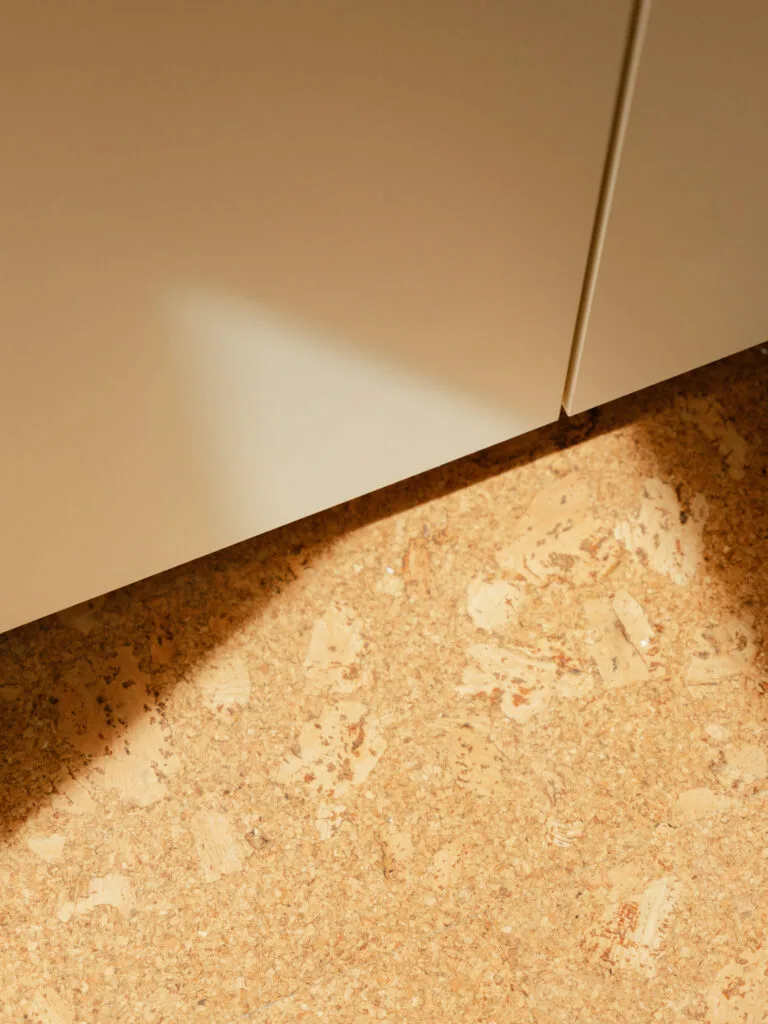
Warm, quiet and one of the few genuinely renewable floors you can buy, cork is having a real moment. Here’s an honest look at what it costs, where it works, where it doesn’t, and how to get it fitted so it lasts.
What is cork flooring?
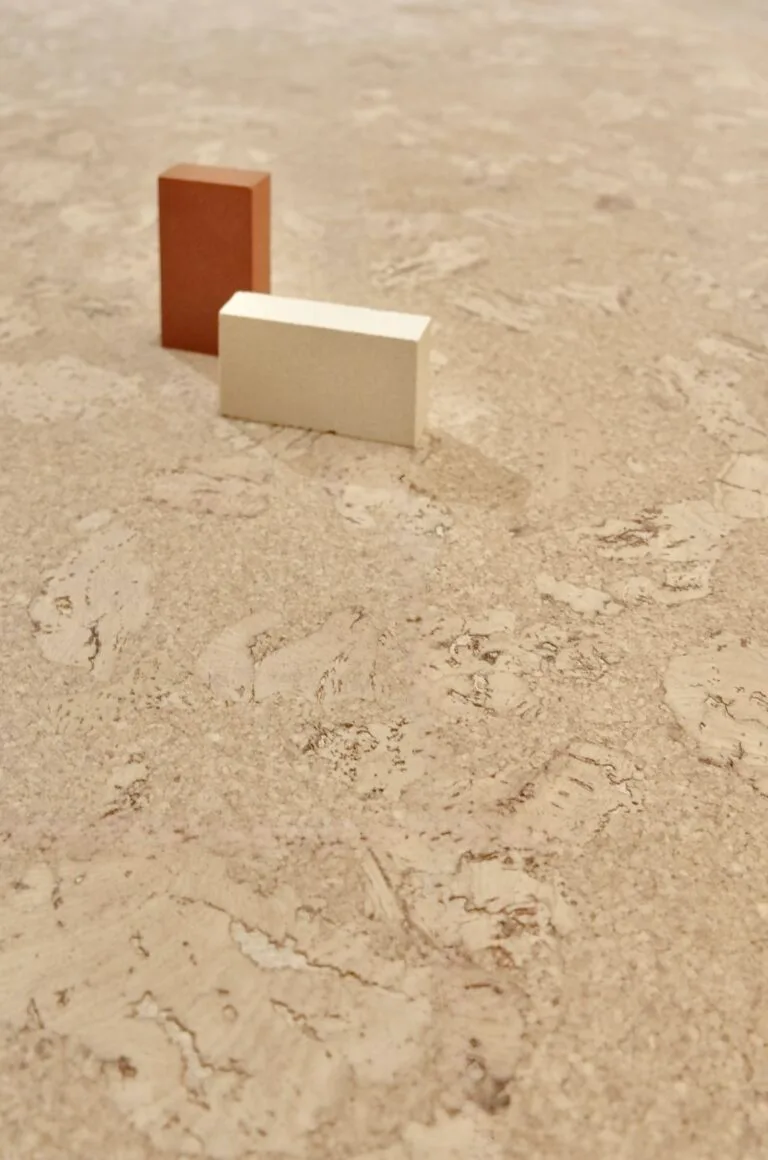
Cork comes from the bark of the cork oak tree. The bark is harvested by hand every nine years or so without felling the tree, which keeps growing and re-grows its bark — which is why cork is considered one of the most sustainable flooring materials available. That bark is ground, compressed and baked into tiles or planks. The same air-filled cell structure that makes a wine cork springy is what makes a cork floor warm, quiet and soft underfoot.
The two types of cork floor
Glue-down cork tiles
Thin tiles bonded directly to a prepared subfloor with adhesive. This is the more hard-wearing, water-resistant option and the better choice for kitchens and busy areas. It needs a flat, sound subfloor and is usually sealed after fitting, so it’s the more skilled installation of the two.
Floating click cork
Planks with a cork core and a click-locking edge that float over a thin underlay — nothing is glued down. They often have a printed wood or stone-effect top layer with a factory finish. Quicker to fit, easy to lift later, and forgiving of minor subfloor imperfections.
The pros of cork
- Warm underfoot. Cork is a natural insulator, so it never feels cold the way tile or vinyl can.
- Quiet and soft. Millions of air cells absorb sound and give underfoot — great for bedrooms, offices and flats.
- Comfortable to stand on. That cushioning reduces foot and joint fatigue, which is why cork is popular in kitchens.
- Naturally hypoallergenic. Cork contains suberin, a waxy substance that resists mould, mildew and pests.
- Genuinely sustainable. Harvested without harming the tree, and biodegradable at the end of its life.
The cons (the honest bit)
- It’s soft. Heavy furniture, sharp pet claws or trapped grit can dent or scratch it. Felt pads and doormats go a long way.
- It can fade in strong sun. Direct sunlight will gradually lighten cork, so south-facing rooms with big windows need a UV-resistant finish or some shading.
- It needs sealing for damp areas. Cork can handle kitchens and even bathrooms, but only when properly sealed — and it should be re-sealed every 2–4 years in those rooms.
How much does cork flooring cost in the UK?
As a rough 2026 guide:
| What | Typical price |
|---|---|
| Cork material only | £25–£60 / m² |
| Glue-down tiles, supplied & fitted | £55–£110 / m² |
| Floating click cork, supplied & fitted | £90–£137 / m² |
| Professional fitting (labour) | £30–£50 / m² |
Thicker tiles and unsealed cork (which then needs sealing) shift the price, as does the state of your subfloor. The only way to know your real number is a measured quote.
Cork and underfloor heating
Good news: most cork is compatible with underfloor heating. The catch is that cork insulates, so there’s a maximum thickness (and a maximum tog when you add underlay) beyond which the heat struggles to come through efficiently. Stick to the manufacturer’s stated limits and keep the floor temperature within their range, and cork over UFH is warm and comfortable.
Which rooms suit cork?
- Living rooms, bedrooms, offices, hallways: ideal — cork is at its best here.
- Kitchens: a great fit, especially sealed glue-down cork.
- Bathrooms and utility: possible with properly sealed cork and regular re-sealing — get advice first.
- Conservatories / very bright south-facing rooms: watch for fading; choose a UV-resistant finish.
Looking after a cork floor
Sweep or vacuum regularly to keep grit off the surface, and clean with a slightly damp (never soaking) mop. Use felt pads under furniture legs, lift rather than drag heavy items, and put mats at exterior doors. In kitchens, bathrooms and other damp rooms, re-seal every couple of years. Treated this way, a cork floor will easily last decades.
The short version: cork is a brilliant choice if you want warmth, quiet and sustainability and you’re happy to give it a little care. Get the subfloor prep and sealing right — that’s where a specialist fitter earns their keep.
Want cork supplied and fitted properly?
Ben is one of the few fitters in London, Essex and the M4 corridor who specialises in cork — and he can supply the product through The Floor Gallery too.
Cork flooring cost at a glance (2026)
| What | Typical 2026 price |
|---|---|
| Cork material (supply only) | £25–£55 per m² |
| Fitting / installation (labour) | £12–£22 per m² |
| Supplied & fitted | £37–£80 per m² |
| Sealing & finishing | Included in our fitted price |
Cork sits between vinyl and engineered wood on price and lasts for decades with simple care — strong value over its lifetime. See the wider picture in our flooring cost guide, or book a free home visit for an exact quote.
Is cork flooring good for bedrooms?
Yes — cork is one of the best bedroom floors there is. It’s warm and soft underfoot, so there’s no cold shock on bare feet in the morning; it’s naturally quiet and sound-absorbing, which keeps a bedroom calm; and because it’s hypoallergenic and anti-microbial it suits allergy and asthma sufferers far better than carpet, which traps dust and mites. It’s gentle on joints, forgiving if you drop something, and in a low-traffic room a sealed cork floor will last for decades. For a child’s room it’s soft to play on and warm to sit on. Both our ranges work beautifully in bedrooms — browse them in the cork colour library.
Related guides
LVT vs laminate vs engineered wood · Flooring cost guide · Cork flooring service