
LVT vs Laminate Flooring: An Independent Fitter’s Honest Guide
👇 Updated & expanded: we’ve rewritten this into a fuller comparison that also covers engineered wood. Read the latest version — LVT vs Laminate vs Engineered Wood →
LVT vs Laminate Flooring: An Independent Fitter’s Honest Guide
<If you’ve been looking at new flooring for your home, you’ve almost certainly come across both LVT (luxury vinyl tile) and laminate. They look similar in photos, they’re often priced similarly, and both can convincingly replicate the appearance of wood or stone. So which should you choose?
As an independent mobile flooring fitter — not a retailer trying to sell you one product over another — I get asked this question on almost every home visit. Here’s my honest answer.
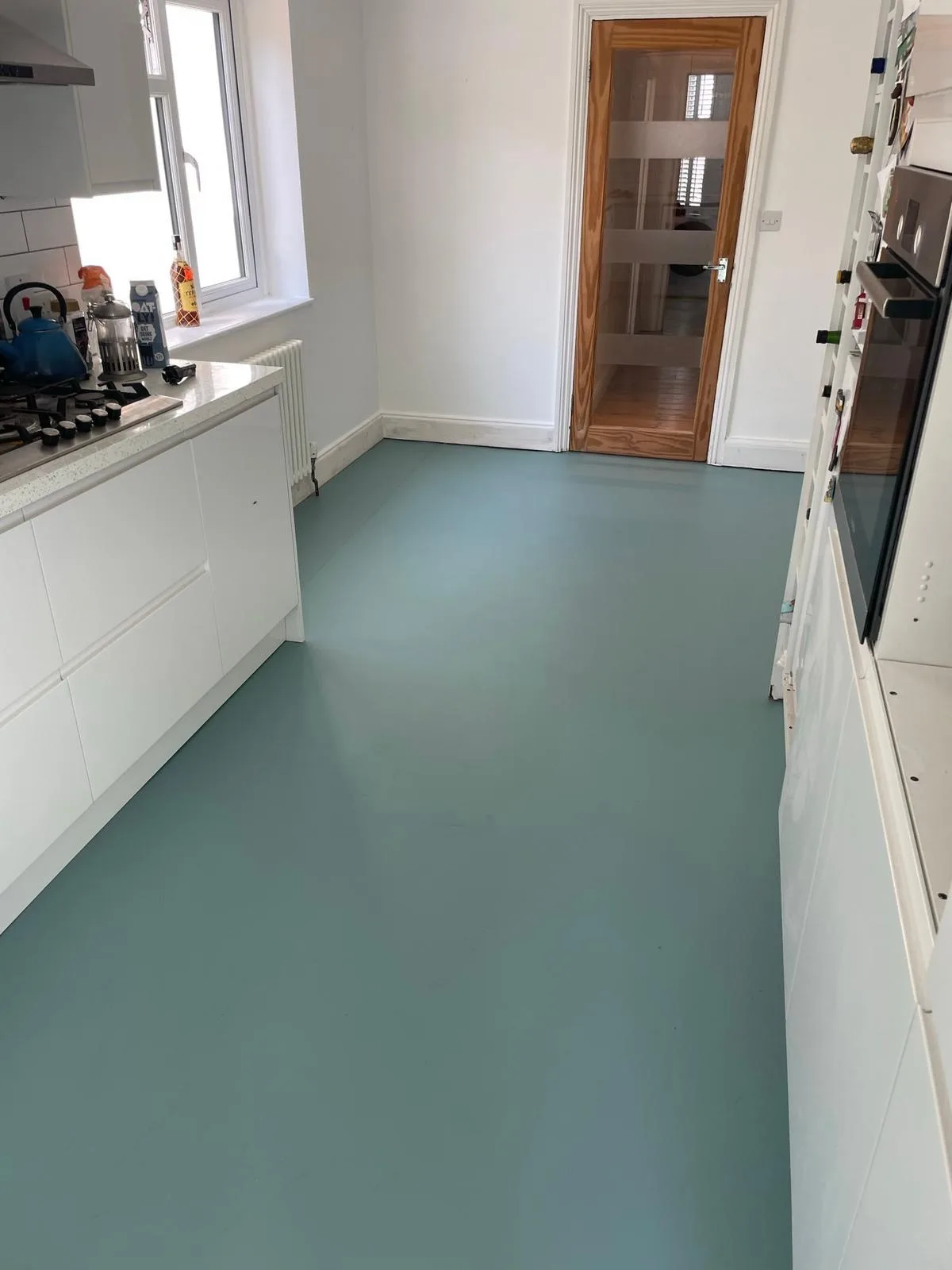
What is LVT?
LVT stands for luxury vinyl tile (or tile, tile, plank — you’ll also see LVP for luxury vinyl plank). It’s a multi-layer synthetic product with a photographic layer that realistically mimics wood, stone, or tile, topped with a tough wear layer that resists scratches, dents, and moisture.
Modern LVT is remarkable stuff. The best ranges are genuinely difficult to distinguish from real wood or stone until you get down and tap it. It’s fully waterproof, comfortable underfoot, and works well with underfloor heating. It comes in click-together planks or tiles, making installation relatively straightforward for an experienced fitter.
What is laminate?
Laminate is a composite product with a high-density fibreboard (HDF) core, a photographic layer printed with a wood or stone design, and a melamine wear layer on top. It’s been around since the 1970s and has improved enormously — modern laminate is far more realistic and durable than the hollow-sounding stuff of the 1990s.
Because the core is wood-based, laminate is a “floating” floor — it expands and contracts with changes in temperature and humidity. It must never be used in wet areas like bathrooms, and even kitchens can be risky if water is regularly allowed to pool on the surface.
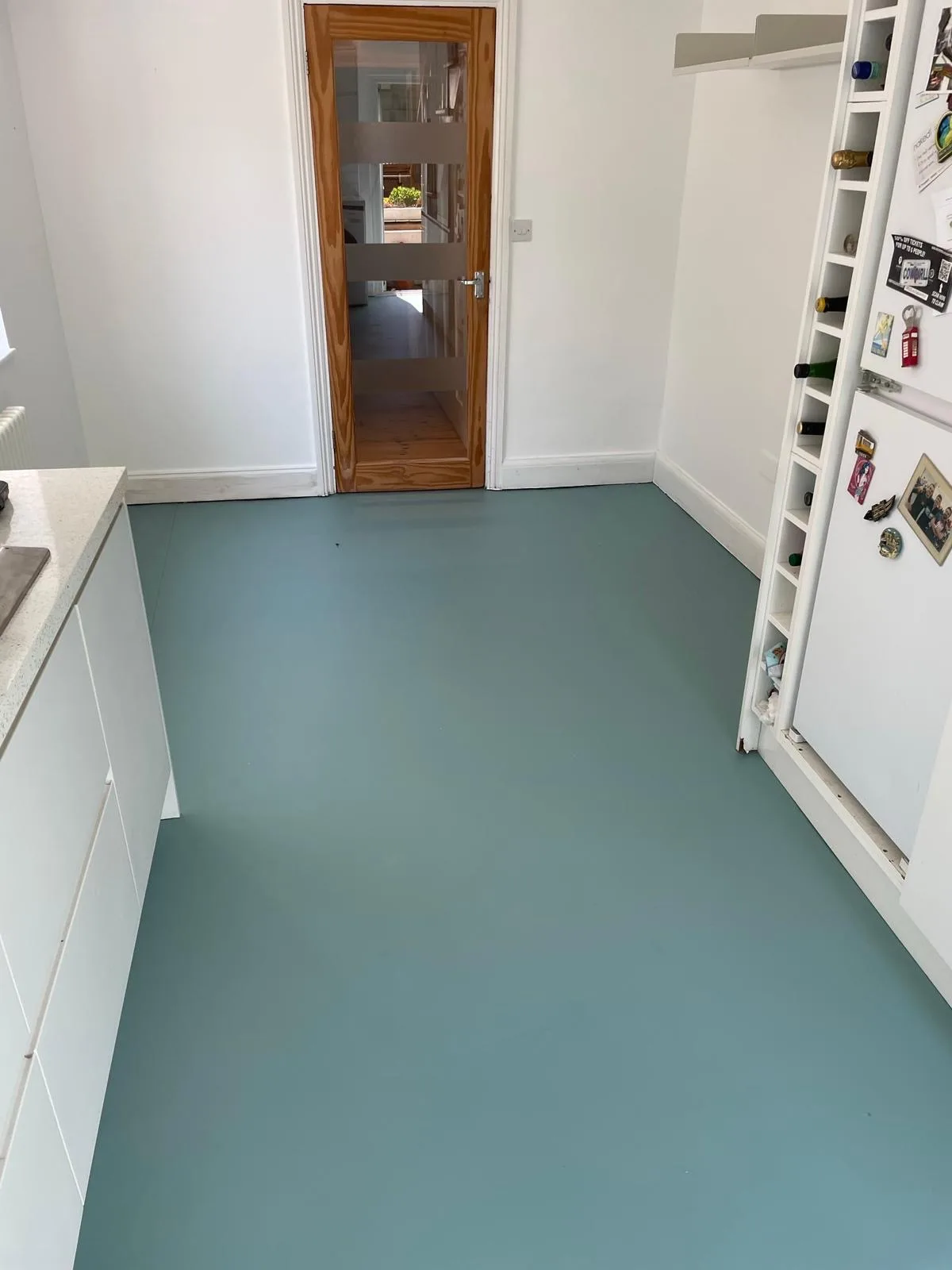
LVT vs laminate: the key differences
Waterproofing
LVT wins here, clearly. LVT is 100% waterproof throughout the entire thickness of the plank. You can mop it, leave wet shoes on it, and run it into bathrooms and utility rooms without any concerns whatsoever.
Laminate is water-resistant at the surface, not waterproof. If water gets into the joints or sits on the surface for any length of time, it will swell the HDF core and the boards will start to lift and buckle. In a kitchen with an older dishwasher, or anywhere with young children who spill things, this is a real practical concern.
Durability and scratch resistance
LVT edges it again, particularly in high-traffic areas. The vinyl wear layer is resilient and forgiving — it dents rather than scratches, and minor dents often recover. Laminate’s melamine surface is hard but brittle; it scratches more easily and scratches tend to be permanent.
That said, good quality laminate with a high AC (Abrasion Criteria) rating — AC4 or AC5 — is genuinely tough and will last many years in a family home. The difference is most noticeable in homes with dogs, where LVT has a clear practical advantage.
Comfort underfoot
LVT is softer and warmer underfoot than laminate. Because it’s a vinyl product, it has a slight give that laminate — with its harder HDF core — simply doesn’t have. In rooms where you spend a lot of time standing, such as kitchens, this matters.
Laminate can feel hollow and hard underfoot, particularly over concrete subfloors. A good quality underlay helps significantly, but LVT still wins on comfort.
Sound
Both products can sound hollow if installed without adequate underlay. LVT with an attached underlay tends to be quieter than laminate. If you live in a flat with noise obligations in your lease, discuss underlay options with your fitter before committing to either product.
Underfloor heating compatibility
LVT is the better choice for underfloor heating. Vinyl is an excellent heat conductor and fully compatible with both water-fed and electric UFH systems. Laminate can work with underfloor heating, but the HDF core is more sensitive to temperature fluctuations, and you need to stay within manufacturer-specified temperature limits to avoid warping.
Cost
Entry-level laminate is cheaper than entry-level LVT, but the gap narrows significantly in the mid-range — and at the premium end, quality LVT is competitively priced with quality laminate. When you factor in the longer lifespan and lower maintenance costs of LVT, the cost difference over the life of the floor often disappears.
As a rough guide for the UK market in 2026: expect to pay £15–£35 per m² for good quality laminate supplied and fitted, and £20–£45 per m² for LVT. These figures vary depending on room size, subfloor condition, and the specific product chosen.
Appearance and realism
Both have improved enormously. Modern LVT and premium laminate both offer highly realistic wood and stone effects with embossed textures that match the printed pattern. Side by side, it’s genuinely difficult to tell them apart. LVT tends to have more realistic surface texture in the premium ranges, and the planks can be longer than standard laminate.
Which rooms suit LVT vs laminate?
Based on what I see fitting floors every week, here’s a simple guide:
| Room | LVT | Laminate |
|---|---|---|
| Kitchen | ✅ Ideal | ⚠️ Possible but risky near water |
| Bathroom | ✅ Ideal | ❌ Not recommended |
| Hallway | ✅ Excellent | ✅ Good (dry climates) |
| Living room | ✅ Excellent | ✅ Excellent |
| Bedroom | ✅ Good | ✅ Good |
| Utility room | ✅ Ideal | ❌ Not recommended |
| With UFH | ✅ Ideal | ⚠️ Check manufacturer limits |
| With pets | ✅ Excellent | ✅ Good (high AC rating) |
My honest recommendation
If I’m fitting your kitchen, bathroom, utility room, or any room with underfloor heating — I’ll recommend LVT every time. The waterproofing alone makes it the right product for those spaces, and the comfort and durability advantages are real.
For dry rooms — living rooms, dining rooms, bedrooms — laminate is a perfectly sensible choice, particularly if budget is a factor. A good quality laminate in a dry room will last 15–20 years with reasonable care.
For open-plan spaces that flow from living area into kitchen, or anywhere you want a consistent floor throughout, LVT is the obvious choice — you can run it everywhere without worrying about which areas are “safe” for it.
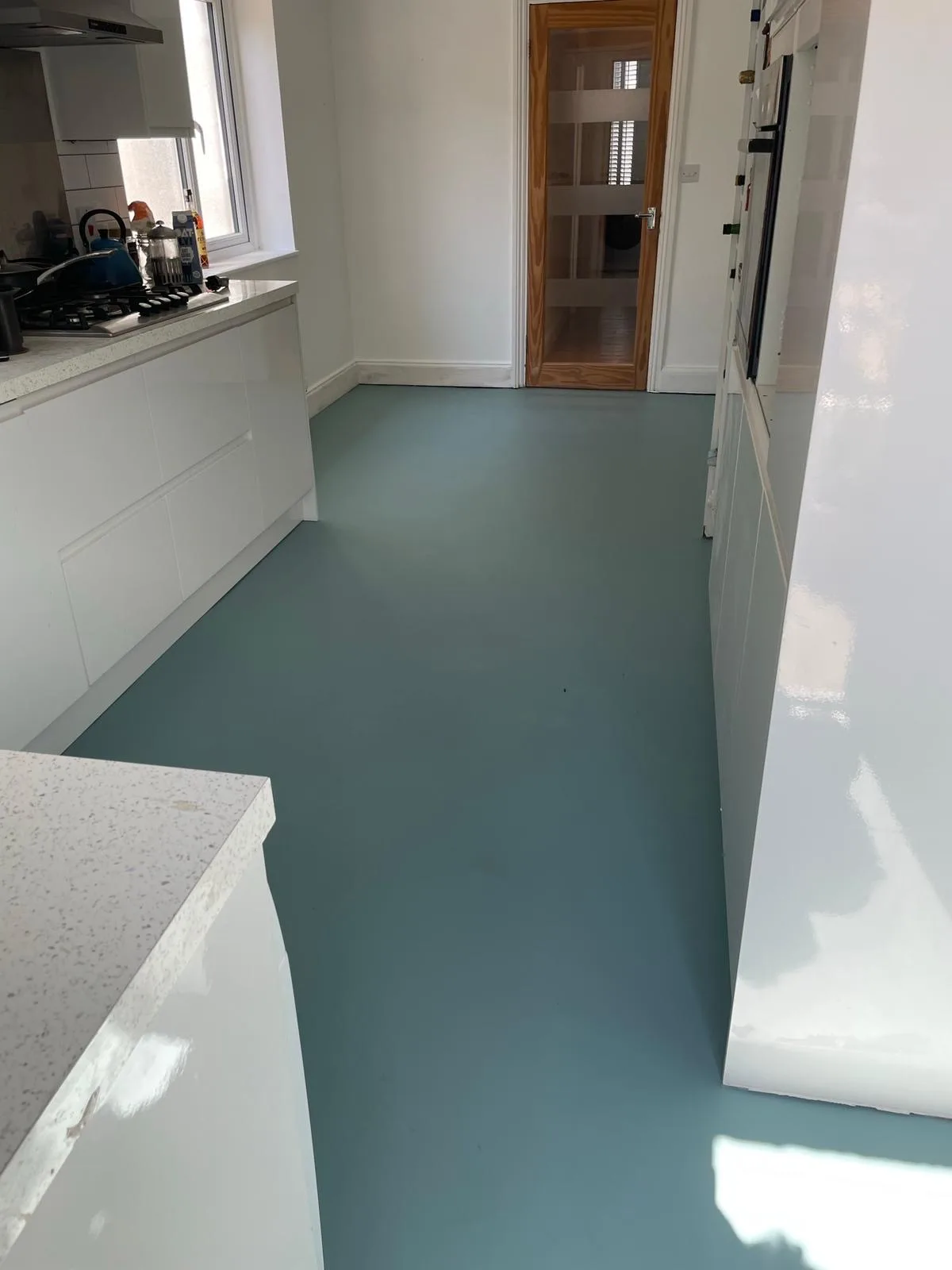
Get a free home visit and sample consultation
If you’re still not sure which product is right for your space, the best way to decide is to see samples in your own home, under your own lighting. CountryLife Flooring offers free home visits across London, the M4 corridor, South Wales, and Essex — Ben will bring a full range of LVT and laminate samples, measure up, and give you a written quote with no obligation to proceed.
Call 07852 827199 or use the contact form to book your visit.